21 Oct 2026
Charting the Intersections of Community Dynamics and Regulatory Guidelines in Emerging Digital Platforms
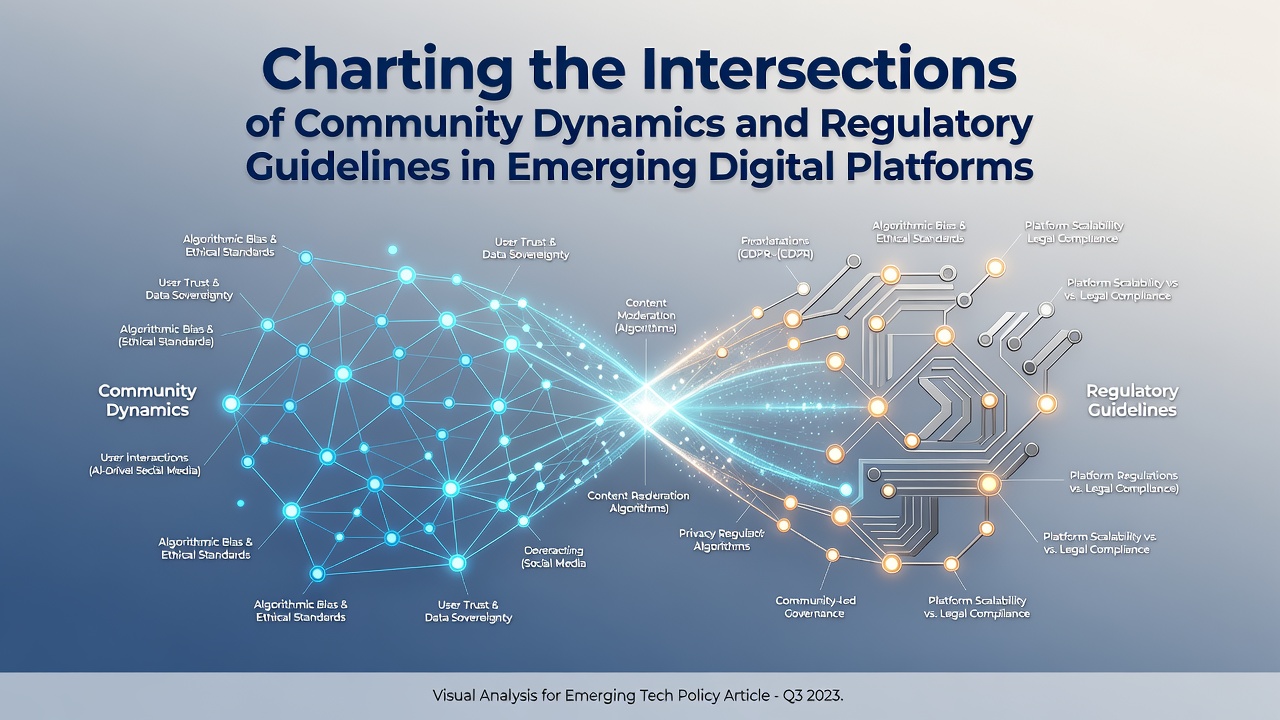
Emerging digital platforms continue to reshape how groups form, communicate, and enforce norms, while regulatory guidelines from multiple jurisdictions set boundaries on content handling and user protections. Data from industry reports indicate that platform operators must balance rapid community growth with compliance requirements that evolve across regions.
Community Dynamics in Online Spaces
Users on these platforms create self-organizing groups that develop shared language, rituals, and dispute resolution methods, often without direct platform intervention at first. Studies from academic institutions show that such dynamics accelerate when features like real-time commenting and subgroup creation become available, leading to faster information spread and occasional conflicts over acceptable behavior. Observers note that moderation teams frequently step in once user reports exceed certain thresholds, at which point guidelines dictate response timelines and transparency obligations.
Platform analytics reveal patterns where active communities exhibit higher retention rates when moderation feels consistent yet responsive to context. Those who've examined moderation logs across several services find that automated filters combined with human review reduce repeat violations more effectively than either method alone. In October 2026, several platforms plan to release updated transparency dashboards that detail how community reports translate into enforcement actions under new regional rules.
Regulatory Frameworks Across Regions
Governments have introduced layered requirements that address content moderation, algorithmic transparency, and user data handling in digital environments. The European Union's Digital Services Act establishes obligations for very large platforms to conduct risk assessments on systemic issues such as disinformation and illegal content, with compliance deadlines staggered through 2026. European Commission documentation outlines audit procedures and potential fines tied to non-compliance.
Meanwhile, Australia's eSafety Commissioner enforces codes that require platforms to address cyberbullying and image-based abuse through dedicated reporting channels. Canadian regulators have advanced similar proposals focused on online harms, emphasizing collaboration between platforms and civil society groups. These frameworks intersect when multinational services must adapt single interfaces to satisfy multiple sets of rules simultaneously.
Points of Intersection and Practical Effects
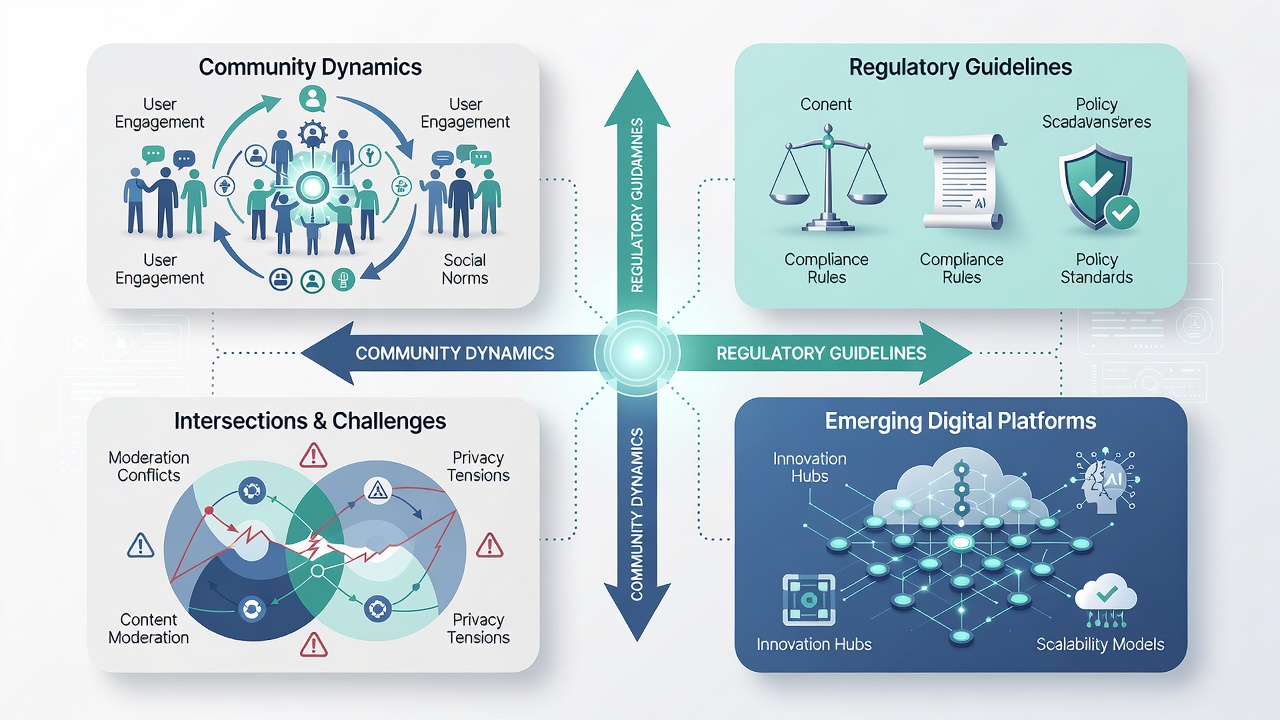
Community features such as live streaming and threaded discussions often trigger regulatory scrutiny when they facilitate rapid dissemination of prohibited material. Research from university-led projects demonstrates that platforms adjusting recommendation algorithms to prioritize verified sources experience measurable shifts in engagement patterns within affected communities. Moderators report that clearer guideline language reduces the volume of appeals, allowing staff to focus on edge cases that require nuanced judgment.
One analysis of enforcement data across services found that proactive labeling of synthetic media correlates with lower rates of community disputes over authenticity. Platforms operating under multiple regimes must maintain separate audit trails for each jurisdiction, which increases operational complexity but also generates comparable datasets that researchers can use to evaluate effectiveness. Figures from trade association summaries indicate that smaller platforms sometimes partner with specialized compliance firms to meet these demands without building internal teams from scratch.
What's notable is how user education campaigns required by certain regulations have begun to influence community norms directly. Participants who receive in-platform notices about reporting mechanisms tend to flag content more accurately, according to internal metrics shared in industry roundtables. Yet the same data also show that overly broad automated removals can suppress legitimate discussion, prompting some operators to introduce appeal workflows that feed back into guideline refinement.
Case Examples from Recent Implementations
Take one platform that expanded its community guidelines in response to EU requirements while maintaining compatibility with North American standards. The service introduced region-specific notice templates and saw a 22 percent drop in unresolved user complaints within the first quarter of rollout. Another service operating in Australia adjusted its image detection tools after eSafety audits highlighted gaps in handling non-consensual content, resulting in faster takedown times without broad over-removal.
Academic reviews of these adjustments emphasize the value of iterative testing with real user cohorts before full deployment. Data indicates that communities exposed to transparent policy updates maintain higher participation levels compared with those experiencing abrupt changes. Observers tracking October 2026 milestones expect further refinements as platforms publish initial compliance reports under the newest wave of obligations.
Conclusion
Regulatory guidelines continue to shape the operational environment for emerging digital platforms, while community dynamics provide the human context that determines whether those rules achieve intended outcomes. Evidence from multiple jurisdictions shows that integrated approaches combining automated tools, human oversight, and user feedback produce more stable environments than isolated measures. As additional reporting requirements take effect in late 2026, platforms and regulators alike will generate new datasets that clarify which interventions most effectively support healthy online interactions.